A Comprehensive Guide to Buying a Mobility Scooter
Mobility scooters have actually ended up being an important tool for numerous individuals aiming to improve their self-reliance and mobility. With a huge selection of designs and features offered, choosing the best mobility scooter can be intimidating. This article supplies a useful guide to assist consumers navigate their alternatives, examine their needs, and make an informed purchase.
Comprehending Mobility Scooters
Mobility scooters are electric vehicles created for individuals who experience mobility obstacles. They are especially beneficial for elders, those with impairments, or people recuperating from injuries. buy mobility scooters can differ widely in regards to style, functions, and prices.
Types of Mobility Scooters
Before starting a purchase, it's necessary to comprehend the different kinds of mobility scooters offered:
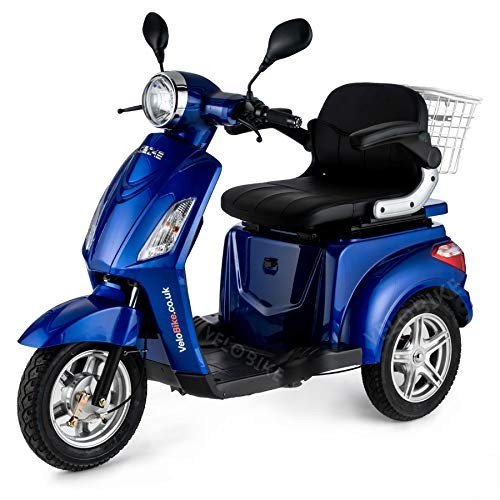
Three-Wheel Scooters:
- Generally more maneuverable in tight spaces
- Lightweight and portable
- Ideal for indoor use
Four-Wheel Scooters:
- Offer higher stability and balance
- Appropriate for outside usage over different terrains
- Normally have a longer battery life
Foldable/Portable Scooters:
- Designed to be easily transported and stored
- Can typically fit in the trunk of a car
- Perfect for those who travel frequently
Heavy-Duty Scooters:
- Built to accommodate bigger individuals
- Often featured more robust features for outdoor usage
- Normally equipped with larger batteries for extended variety
Elements to Consider When Buying a Mobility Scooter
1. Weight Capacity
Choose a mobility scooter that can support the user's weight. A lot of scooters have a weight limit ranging from 250 to 500 pounds. It is important to ensure that the scooter can accommodate the user easily.
2. Variety and Battery Life
The range is how far the mobility scooter can travel on a single charge. Normal varieties differ between 10 to 30 miles. Think about the user's everyday activities and choose a scooter with an appropriate range.
3. Scooter Dimensions
Think about the size of the scooter, including its weight and dimensions. A more compact scooter may be perfect for narrow hallways and tight spaces, while larger models provide extra stability and convenience.
4. Surface Capability
Examine where the scooter will mostly be utilized. If the user prepares to take a trip primarily on pavement, a lightweight design may be sufficient. However, if the user needs to pass through gravel or uneven surfaces, consider a four-wheel scooter developed for off-road usage.
Top Features to Look For
Comfort
- Adjustable Seats: Look for scooters with cushioned and height-adjustable seats to make sure convenience throughout travel.
- Armrests: These improve security and assistance while browsing.
Security and Visibility
- Headlights and Taillights: Essential for nighttime use.
- Turn Signals and Reflectors: Improve visibility and safety while on the road.
User-Friendly Controls
- Joystick or Drive Controls: These should be instinctive and simple to control.
- Easy-to-Read Displays: A control board that reveals battery life, speed, and distance can improve the user experience.
Additional Features
- Storage Compartments: These offer included convenience for bring individual products while on the go.
- Weather condition Protection: Consider models with rain covers or windscreens if utilized in variable weather.
Expense Considerations
When budgeting for a mobility scooter, costs can range anywhere from ₤ 500 to over ₤ 5,000 depending upon the design, functions, and brand name. Extra costs may include:
- Extended Warranty: Protects against flaws and can conserve money in the long run.
- Devices: Optional features, such as upgraded seats, lights, or storage services.
| Function | Expense Range |
|---|---|
| Basic Models | ₤ 500 - ₤ 1,500 |
| Mid-Range Models | ₤ 1,500 - ₤ 3,000 |
| High-End Models | ₤ 3,000 - ₤ 5,000 |
Financing Options
Numerous retailers provide funding plans, and some city government initiatives may provide grants or support for those in need. Examine prospective financial assistance with community resources or mobility service companies.
FAQs about Buying a Mobility Scooter
What is the difference between a mobility scooter and a wheelchair?
Mobility scooters are motorized and enable users to browse individually, while wheelchairs may need physical support or manual operation.
How do I preserve a mobility scooter?
Regular upkeep involves inspecting battery life, cleaning up the scooter, and examining tires and brakes. Always refer to the user manual for particular standards.
Can mobility scooters be used inside your home?
Yes, many designs are created for both indoor and outside use. Nevertheless, three-wheel scooters tend to be better suited for indoor navigation due to their tighter turning radius.
Are mobility scooters covered by insurance?
Some insurance coverage plans cover a portion of the costs for mobility scooters if they are deemed clinically required. Contact your provider for particular details.
How quick can a mobility scooter go?
The majority of mobility scooters have an optimal speed varying from 4 to 8 mph. However, the suitable pace may vary depending upon local regulations.
Acquiring a mobility scooter can considerably boost one's independence and lifestyle. By understanding the types, functions, and costs associated with mobility scooters, potential purchasers can make knowledgeable choices that suit their needs and choices. Personalization and comprehensive research are key to making sure fulfillment with this essential investment.